The Future of Healthcare: Trends Reshaping Medicine
By AuthorCrafts - 1 year ago
Health and Wellness | Lifestyle | Technology
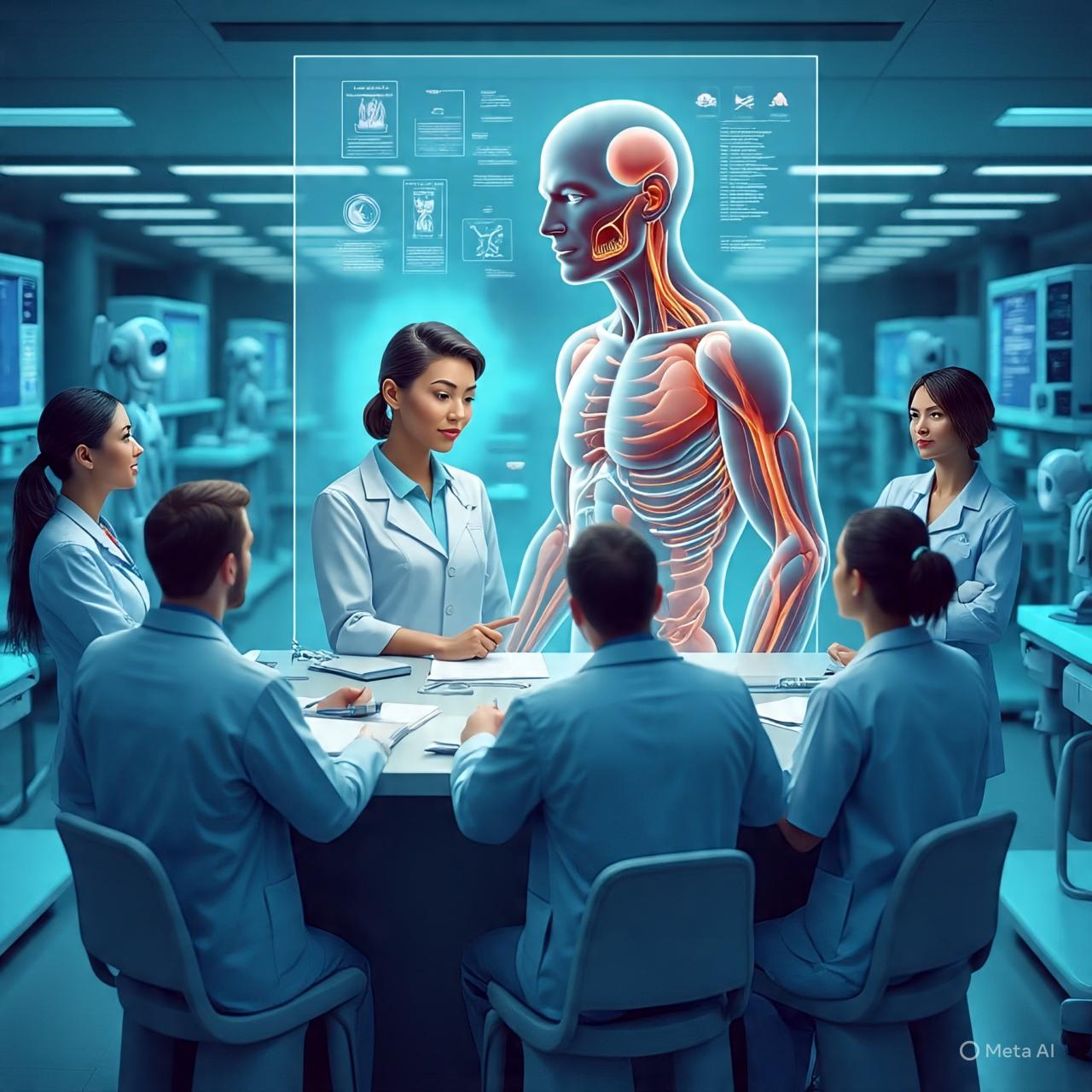
Healthcare stands on the brink of transformation, with converging technologies promising more personalized, preventive, and accessible medicine. These emerging trends are reshaping every aspect of how we maintain health and treat disease.
Precision medicine is evolving from theory to practice. Genomic sequencing costs have dropped from $100 million to under $600 per genome, enabling routine clinical use. AI analyzes this data alongside lifestyle and environmental factors to predict disease risks and optimize treatments. Pharmacogenomics tailors drug prescriptions to individuals' genetic profiles, improving efficacy while reducing side effects.
Continuous health monitoring moves care from reactive to proactive. Wearables now track advanced metrics like blood oxygen, ECG, and even blood glucose non-invasively. Implantable sensors monitor chronic conditions in real time, alerting providers to concerning changes before symptoms appear. These technologies enable early interventions that prevent hospitalizations.
Telehealth is maturing beyond video visits. Asynchronous care platforms combine patient-reported data with AI triage, improving access to specialists. Remote therapeutic monitoring reimbursements encourage providers to track patients between visits. Virtual reality is proving effective for pain management, physical therapy, and even surgical training.
AI is augmenting clinical decision-making. Diagnostic algorithms now match or exceed human performance in detecting cancers, eye diseases, and cardiac conditions from medical images. Natural language processing extracts insights from clinical notes and research literature, helping providers stay current. These tools don't replace doctors but enhance their capabilities.
Gene and cell therapies are curing previously untreatable conditions. CRISPR-based treatments have cured genetic blindness and sickle cell disease in clinical trials. CAR-T cell therapy reprograms patients' immune cells to fight cancers. As manufacturing scales and costs decrease, these one-time curative treatments will become accessible for more diseases.
Decentralized clinical trials are accelerating research while improving diversity. Participants can now contribute data from home using digital tools, reducing geographic and socioeconomic barriers. Real-world evidence from wearables and EHRs supplements traditional trials, providing longer-term safety and efficacy data.
These innovations promise to make healthcare more predictive, preventive, and precise while addressing systemic challenges of cost, access, and equity. The future health system will focus less on treating sickness and more on maintaining wellness through continuous, data-enabled care.


Ungex’s End of Financial Year promotion ending soon. 💫
Health & Wellness, Services
Melbourne, Melbourne, Australia

Freelance Mobile APP Developer
Flutter | Dart | SQLite
Email: justinjamesrdrgz@gmail.com
